Holidays to Nova Scotia
Top destinations in Nova Scotia
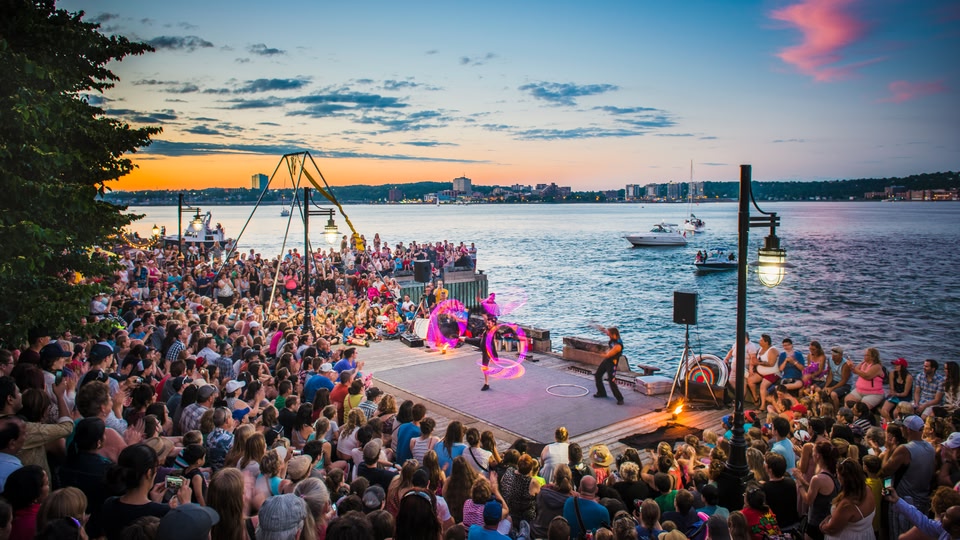
Halifax
Nova Scotia’s capital city beckons with beach boardwalks, a craft beer craze and some of the best seafood chowder in Canada. Set your sails for Halifax.

Sydney
With its charming harbour, leafy parks and al fresco restaurants, this historic town on Cape Breton Island has everything you need for a fun, outdoorsy getaway.
Nova Scotia: fast facts
| Language | English |
|---|---|
| Currency | Canadian dollar (C$) |
| Time zone | Halifax - UTC−4 (AST) and UTC−3 (ADT) |
| High season | June – September |
| Low season | December – March |
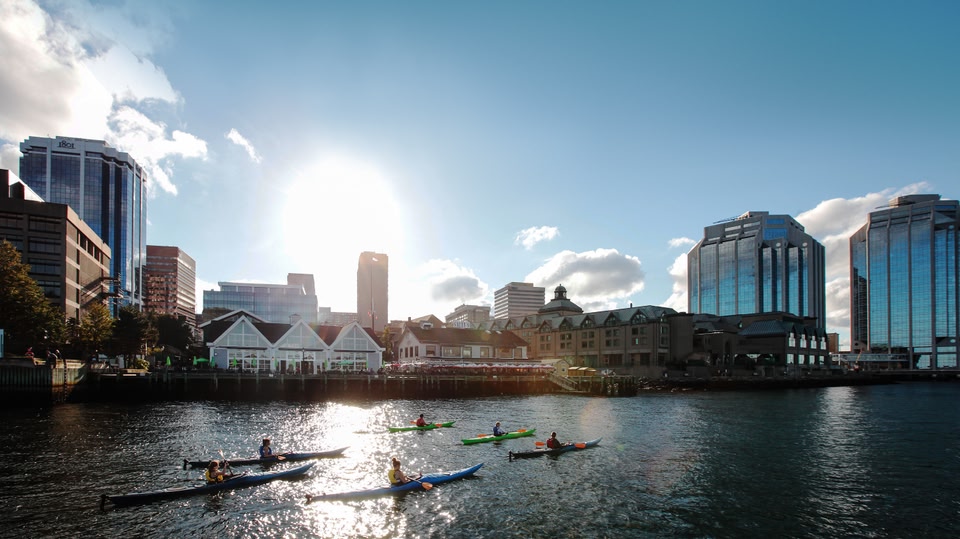
Nova Scotia holiday highlights
Go whale watching
The nutrient-rich waters around this maritime province teem with wildlife, from lobsters to cormorants. But nothing compares to the awesome sight of a breaching whale. Spending a day — or a week — watching them is one of the best things to do in Nova Scotia. In summer, more than a dozen species, including highly endangered blue whales, can often be spotted in the Bay of Fundy.
Hear folk music
Nova Scotia has a rich heritage of Celtic folk music, plus a handful of performance venues and festivals that attract both musicians and music lovers. The Stan Rogers Folk Festival and Cape Breton’s Celtic Colours draw Canadian and international talent. And you can catch up-and-coming and established local bands at long-running Halifax venues like The Carleton.
Visit coastal communities
Part of the Nova Scotia experience is exploring the picturesque fishing villages and coastal communities that keep seafaring traditions alive today. Watch the sunset behind the lighthouse at Peggy’s Cove, then feast on steamed lobster fresh off the docks. A UNESCO World Heritage Site, brightly-painted Lunenburg has kept its colonial feel while adding new breweries, restaurants and other modern attractions.

Things to do in Nova Scotia
Top attractions
The iconic red-and-white Peggy’s Point Lighthouse is one of the world’s most photographed lighthouses. You can even send postcards from the post office inside the lighthouse. Hugging the cliffs of Cape Breton, the 298-kilometre Cabot Trail offers breathtaking ocean views. At Kejimkujik National Park, interpreters lead tours of Mi’kmaq petroglyphs, some over 800 years old.
Beaches
Though the North Atlantic can be chilly, the beaches in Nova Scotia still offer plenty of ocean adventures. The tiny village of Blue Rocks is perfect for kayaking along the scenic shoreline. Surfers looking for breaks don wetsuits and head to White Point Beach. But for swimmers, the beaches on the north coast along the Northumberland Strait boast warmer water.
Nature
With dramatic coastlines, craggy mountains and loads of wildlife, Nova Scotia’s landscape is the perfect backdrop for exploring the outdoors. Hike the coastal cliffs of Cape Breton Highlands National Park, drive the scenic Cabot Trail, and search for fossils around the Bay of Fundy. Ready for a light show? Stargaze in the Starlight-certified Acadian Skies and Mi’kmaq Lands.
Cuisine
From mussels to mackerel, local seafood is the star of the show at restaurants in Nova Scotia. In Halifax’s North End, trendy bistros and brewpubs showcase the province’s freshest ingredients. Lobster is a delicious year-round staple here, whether served on a butter-slathered roll from a beachside shack or as part of a seafood tower at an upscale restaurant.
Culture and museums
Many museums in Nova Scotia tell the story of the region’s ethnic heritage and maritime past. The Millbrook Cultural and Heritage Centre celebrates the Mi’kmaq people, Nova Scotia’s Indigenous stewards. Discover the little-known story of Black settlers in Nova Scotia at Birchtown Bay’s Black Loyalist Heritage Centre or the Black Cultural Centre for Nova Scotia in Cherry Brook.
Nightlife
Halifax is the centre of Nova Scotia nightlife, home to cocktail bars, craft breweries and party cruises in the harbour. And a lively Celtic music scene keeps the good times going across the province. In Cape Breton, look for ‘ceilidhs’ (community parties with live fiddle music and dancing) at venues across the island, including pubs and community centres.
Find the best time to visit Nova Scotia
Weather in Nova Scotia through the year
March – May: Mornings near the ocean are foggy in spring. It’s a great time for wildflowers, including showy lupins and mayflowers, the provincial flower.
June – August: Temperatures are pleasant, averaging in the low-to-mid 20s°C. Humidity can make it feel warmer, and the occasional heatwave can push temps closer to 32°C.
September – November: Changing leaves and fewer crowds make autumn one of the best times to visit Nova Scotia. Foliage usually peaks in early October, followed by a drop in temperature.
December – February: Daytime highs usually hover around freezing. It’s often warmer by the coast, where rain mixes with the snow. The Cape Breton Highlands receive close to 3 metres of snow each winter.
Events in Nova Scotia
Nova Scotia Lobster Crawl (February): Feast your way down Nova Scotia’s South Shore from Barrington to Peggy’s Cove. This festival celebrates lobstering season with lobster roll and chowder cook-offs, a treasure hunt and more.
Festival acadien de Clare (July to August): Nova Scotia’s Acadian heritage takes centre stage at this long-running summer festival. Days are filled with live music, craft fairs and traditional lumberjack competitions, all leading up to ‘tintamarre’, a colourful parade that winds through the town of Clare.
Celtic Colours (October): Immerse yourself in traditional Cape Breton culture at this celebration of local music and Celtic heritage. Venues across the island echo with the sound of Celtic music, dancing and storytelling over nine days of performances and events.
Know before you go
Budget
For a cheap holiday to Nova Scotia, take advantage of all the free and low-cost outdoor recreation. An inexpensive meal costs about 25 Canadian dollars ($). A domestic beer will run around $8, and a cappuccino less than $5. If you’re into winter sports like snowshoeing, come in the off-season when hotel prices drop.
Health and safety
Nova Scotia has a growing risk of tick-borne diseases, including Lyme disease. The best way to protect yourself is to cover up, wear insect repellent and check yourself for ticks after being out in nature. Unexpected currents and other hazards can make ocean paddling and swimming unsafe. For ease of mind, look for beaches at provincial parks staffed with lifeguards.
Free things to do
Nova Scotia’s scenic coastline offers loads of free activities, along with its terrific sea views. During the Halifax Buskers Festival, the beachside boardwalk is lined with street performers from all over the world. Watch the planet’s highest tides come in at Burntcoat Head Park, or relax on a free beach like Cape Breton’s Inverness Beach.
Family friendly
Young dinosaur fans will love spotting the traces of prehistoric life embedded in the 300-million-year-old Joggins Fossil Cliffs. Experience life in an early Canadian settler village at living history sites like The Historic Acadian Village, Highland Village and Sherbrooke Village. A gondola soars above the treetops to the summit of Cape Smokey. Ski, hike or catch the gondola back down.
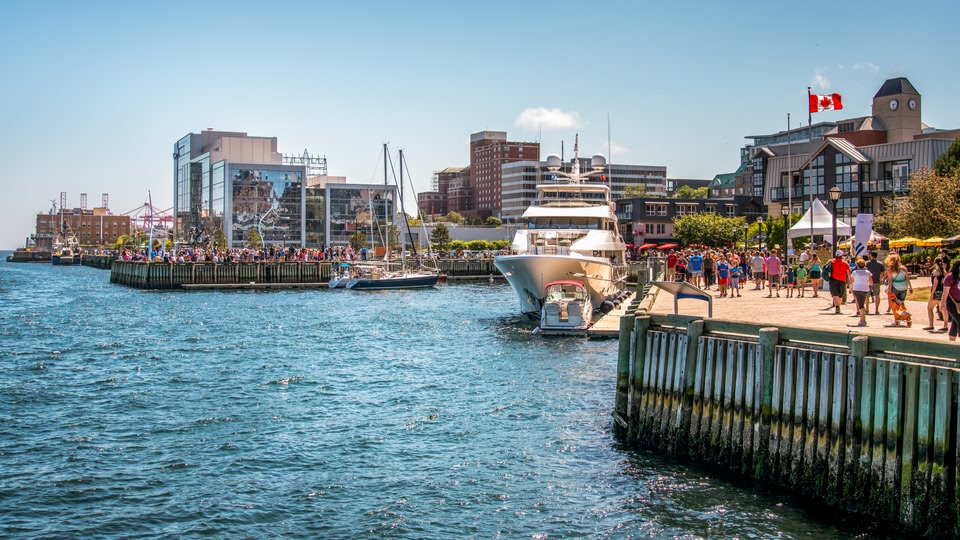
Getting around Nova Scotia
Public transport
Buses: Maritime Bus offers an affordable way to travel between major destinations in Nova Scotia and into neighbouring Maritime provinces. From Halifax, you can ride north to Sydney on Cape Breton’s eastern coast or south along the shore to Lunenburg.
Trains: VIA Rail’s Ocean route travels from Montreal to Halifax, following the Saint Lawrence River before heading down the coast. It also stops in Amherst and Truro along the way.
Boats: Free provincial ferries carry cars and passengers across bays and waterways and to outlying islands. Additional services connect Nova Scotia to other Maritime provinces and to Bar Harbor, Maine.
Domestic flights
Halifax Stanfield International Airport offers domestic connections as well as flights to destinations in the US and Europe. Visiting Cape Breton? Air Canada offers flights directly to JA Douglas McCurdy Sydney Airport from Toronto and Montreal.
Driving and car hire
Getting around by car is the easiest way to explore more of Nova Scotia, and scenic routes like the Cabot Trail make the journey part of the experience. The Lighthouse Route stretches from Halifax to Yarmouth, while the Evangeline Trail follows the Bay of Fundy, linking key Acadian heritage sites along the way.


