Holidays to Bavaria
Top destinations in Bavaria
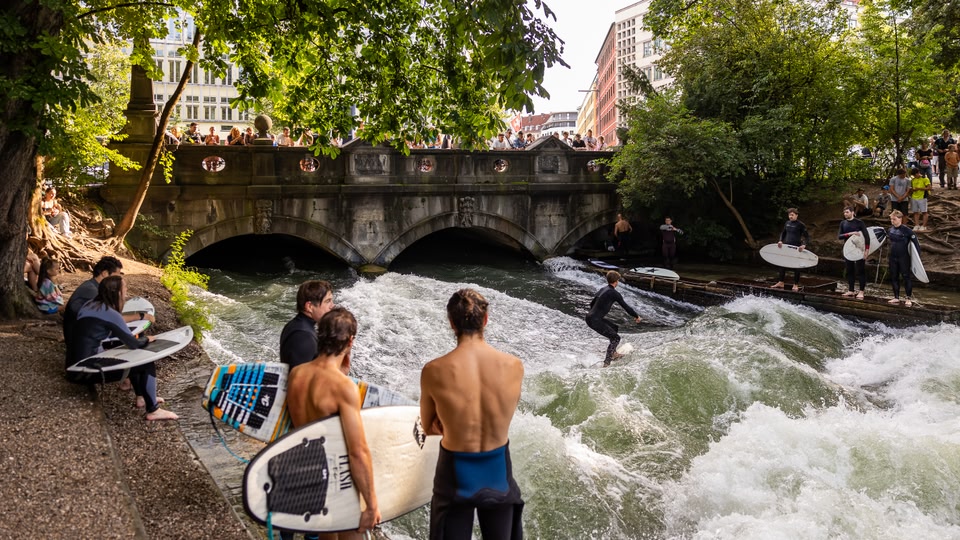
Munich
Bavaria’s feel-good capital is known for its beer and bratwurst. But make sure you also get your fill of the city’s galleries, museums and public green spaces.

Nuremberg
Surrounded by medieval walls and rolling countryside, the second-largest city in Bavaria boasts Renaissance-era architecture, thought-provoking museums and plenty of strong, dark beer.

Memmingen
In this underrated Bavarian town, you’ll find bustling market squares alongside trendy wine bars, medieval churches, centuries-old houses and plenty of parks and gardens.
Bavaria: fast facts
| Language | German |
|---|---|
| Currency | Euro (€) |
| Time zone | Munich - UTC+1 (CET) and UTC+2 (CEST) |
| High season | May – September; December |
| Low season | January – March |

Bavaria holiday highlights
Explore the castles
From medieval forts to neo-Gothic manors, Bavaria has no shortage of castles to see. Don’t miss Neuschwanstein Castle, which is said to have inspired Disney’s Magic Kingdom. On an island in Lake Chiemsee, you’ll find Schloss Herrenchiemsee, a close replica of Versailles. Visiting Nuremberg? Explore the city’s imperial castle, one of the most important palaces of the Holy Roman Empire.
Celebrate Oktoberfest
Bavaria takes Oktoberfest seriously. While this traditional folk festival is most associated with Munich, the region has a host of autumn celebrations guaranteeing a thigh-slapping good time. Sample local brews at Herbstfest Erding, or join the crowds for oompah music and fireworks at Rosenheim Herbstfest. For an authentic Oktoberfest without the hefty price tag, try Gäubodenvolksfest in Straubing.
Hike the Alps
One of the best things to do in Bavaria is to hike in the Bavarian Alps. Forming a natural divide along the Austrian border, this dramatic landscape is known for its soaring peaks, cow-dotted hills, gorges and waterfalls. Trek through the Partnach Gorge with its storybook waterfalls, and take your pick of the trails around Eibsee Lake’s pristine waters.

Things to do in Bavaria
Top attractions
Neuschwanstein Castle rewards early risers with fewer crowds and misty panoramas over the emerald Alpsee. The Bavarian Alps aren’t just for hikers — explore Alpine villages like Oberammergau and enjoy views of towering Zugspitze Mountain from Eibsee Lake. In Munich’s central Marienplatz square, catch the historic glockenspiel show twice a day.
Beaches
Despite its lack of coastline, Bavaria has some standout lakeside beaches. Swim in the turquoise waters of Walchensee, one of Germany’s largest and deepest Alpine lakes. And take your pick of sandy stretches around Lake Chiemsee. Looking to pair nature and culture? Spend a day windsurfing or sailing on Ammersee before visiting the hilltop Benedictine Andechs Monastery perched above the lake.
Nature
Hike past moors and crystal-clear streams in Bavarian Forest National Park. And take in the castles and palaces around the Altmühl Valley. But Zugspitze Mountain might be the most majestic of Bavaria’s natural wonders. Home to one of the country’s last glaciers, Germany’s highest mountain has incredible views from the summit, which is accessible by cable car or cogwheel train.
Cuisine
Make no mistake, the bratwurst and beer here are world class. But that’s just the tip of the iceberg of what you’ll find in Bavaria’s restaurants. Chow down on ‘Käsespätzle’ (cheese noodles), ‘Schweinshaxe’ (roasted pork knuckle) and ‘Semmelknödel’ (bread dumplings) whenever you can. To satisfy your sweet tooth, try ‘Kaiserschmarrn’ (scrambled pancakes) or ‘Prinzregententorte’ (layered chocolate torte).
Culture and museums
You could spend weeks on end exploring the dozens of museums in Bavaria — and not just in Munich’s famous Kunstareal museum quarter. In Nuremberg, get an in-depth look at German culture at the Germanisches Nationalmuseum. And if you’re a train buff, steam through the exhibits at the Deutsche Bahn Museum. Dog lover? Say hello to Regensburg’s Dackelmuseum (Dachshund Museum).
Nightlife
If you’re thirsty for nightlife beyond the region’s legendary beer halls, Munich’s edgy Gärtnerplatz and Maxvorstadt boast trendy pubs, cocktail joints and dive bars. In Nuremberg, the arty Gostenhof district offers everything from laid-back lounges to lively music venues. For some of the best nightlife in Bavaria, head to Regensburg, home to Germany’s highest concentration of bars.
Find the best time to visit Bavaria
Weather in Bavaria through the year
March – May: Mild temperatures make this the ideal season for castle visits and hiking. Bring a waterproof jacket for occasional spring showers.
June – September: Bavarian summers are warm with sunny weather made for water sports, hiking and beer gardens. Pack an umbrella for the odd afternoon thunderstorm.
October – November: Crisp air and autumn foliage make this one of the best times to visit Bavaria. Take advantage of the changing leaves with a drive along the scenic Romantic Road. Rain showers are frequent, so don’t forget your waterproofs.
December – February: Bundle up for temperatures that dip below freezing, especially in the mountains. This is a prime time for skiing in the Alps and visiting Bavaria’s Christmas markets.
Events in Bavaria
Starkbierfest (March or April): A lesser-known cousin to Oktoberfest, this ‘strong beer festival’ celebrates Bavarian double bocks, first brewed by monks in the 1600s. Held in iconic beer halls like Paulaner am Nockherberg, expect local crowds, hefty steins and belly-warming Bavarian fare.
Kaltenberger Ritterturnier (July): Knights on horseback, falconry shows and a sprawling market take over the Kaltenberg Castle in Geltendorf for this medieval festival. Don’t miss the jousting tournament, one of the world’s largest.
Christkindlesmarkt (November to December): You’re spoilt for choice with Christmas markets in Bavaria, but Nuremberg’s Christkindlesmarkt is the region’s crown jewel. Dating to the 16th century, it’s famous for traditional stalls selling everything from mulled wine and bratwursts to toys and ornaments.
Know before you go
Budget
Exploring Bavaria can be pricey, especially if you’re travelling to Munich around Oktoberfest and Christmas. But with some careful planning, cheap holidays to Bavaria are still possible during the shoulder seasons. Expect to pay less than 20 euros (€) for a simple meal and under €5 for a local beer.
Health and safety
Avoid altitude sickness in the Bavarian Alps by staying hydrated and taking regular breaks when hiking. Tick bites are a risk in rural areas. Use insect repellent and remember to check your skin after walking through tall grass. In winter, icy roads can be dangerous. Make sure your car is equipped with snow chains, especially when driving in the mountains.
Free things to do
Rev up your day with sleek machines, bold design and interactive exhibits at Munich’s BMW Welt. If you prefer nature over horsepower, head to Berchtesgaden National Park for Alpine trails and glassy lakes. Summer in Nuremberg? Bring a picnic and soak up starlit symphonies at Klassik Open Air, a free classical concert under the sky.
Family friendly
Treat your kids to a day of thrills at Legoland Deutschland Resort in Günzburg, home to rollercoasters and interactive rides. For a day of culture and adventure, walk across the Marienbrücke bridge to Neuschwanstein Castle, or explore the lesser-known neighbouring Hohenschwangau Castle. In warm weather, head to Blomberg near Bad Tölz for hiking trails and a summer toboggan run.

Getting around Bavaria
Public transport
Buses: Affordable and reliable long-distance buses like FlixBus connect major Bavarian cities such as Munich, Nuremberg and Würzburg. For local travel, regional bus networks serve smaller towns, Alpine villages and national parks — often linking with train routes for easy transfers.
Trains: Deutsche Bahn provides speedy and efficient rail connections across Bavaria, including high-speed routes and slower, more scenic journeys like the Werdenfelsbahn with its breathtaking Alpine views. Travelling on a budget? Consider buying a Bayern Ticket rail pass for unlimited travel on Bavarian regional trains.
Boats: You’ll find passenger ferry services on lakes like Chiemsee, Königssee and Tegernsee connecting waterfront towns, islands and sights like Herrenchiemsee Palace. Many routes are year-round, but expect reduced schedules in winter.
Domestic flights
Domestic flights are uncommon in Bavaria — this is train country, after all. Most travellers fly into Munich Airport and then use a train or car to reach other cities like Nuremberg or Augsburg.
Driving and car hire
Bavaria’s ‘autobahn’ (highway) network is famously fast and efficient, with some sections forgoing speed limits altogether. For a slower, scenic drive, try the Romantic Road, which winds through rolling vineyards and castle-studded valleys. Rural roads are generally well maintained, but take it slow on narrow lanes and around sharp bends.


