Your guide to Catalonia
Top destinations in Catalonia
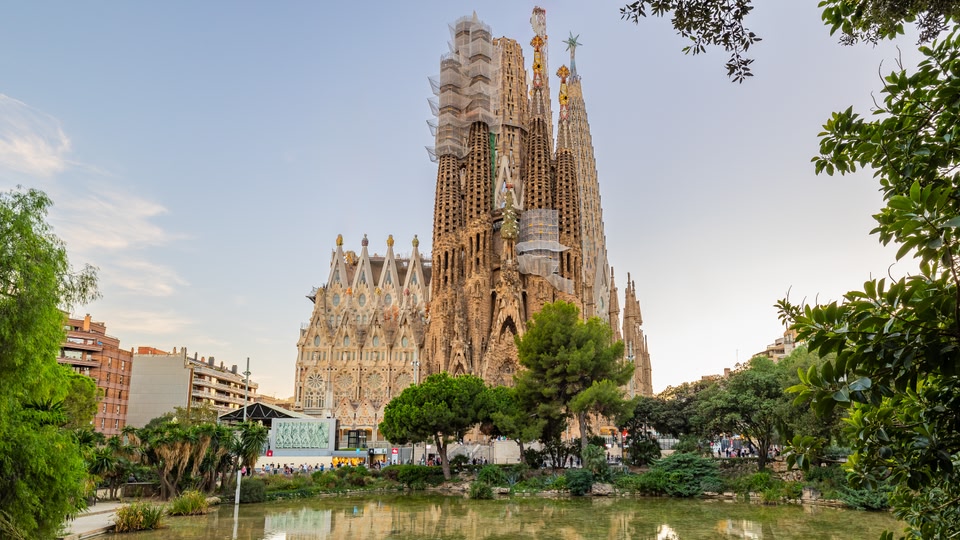
Barcelona
From Catalan classics to tapas, flamenco to deep house, and medieval streets to modernist marvels, Barcelona is a Mediterranean feast for all the senses.
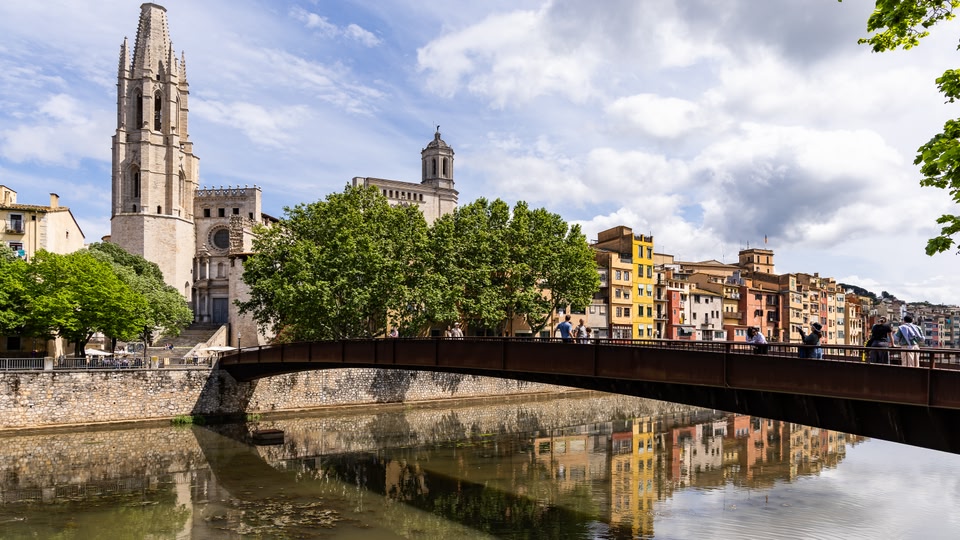
Girona
Nature lovers and culture buffs alike will love Girona. Surrounded by green peaks, this 2,000-year-old Catalonian city is packed with history museums and Roman monuments.

Reus
Located just an hour from Barcelona, the birthplace of Gaudí is brimming with architectural wonders. Admire its modernist buildings, then join Catalonians for a local vermouth.
Catalonia: fast facts
| Language | Catalan, Spanish |
|---|---|
| Currency | Euro (€) |
| Time zone | Barcelona - UTC+1 (CET) and UTC+2 (CEST) |
| High season | May – September |
| Low season | November – March |

Catalonia highlights
Iconic architecture
One of the best things to see in Catalonia is the architecture of Antoni Gaudí, known for its vivid colours and intricate details. In Barcelona, explore world-famous buildings like Sagrada Família and Casa Milà. Catalonia was also the home of Surrealist artist Salvador Dalí. Immerse yourself in his eccentric world at his house in Portlligat or the Dalí Theatre-Museum in Figueres.
Epic mountain hikes
The Catalan Pyrenees are a majestic backdrop for hiking, home to jagged peaks, alpine lakes and quaint villages. For a multi-day mission, try the legendary Carros de Foc trail, staying in remote lodges in Catalonia’s only national park. Want breathtaking mountain views without losing your breath? Catch the cable car up to Santa Maria de Montserrat, a hilltop monastery just an hour from Barcelona.
Wine tasting
Cava was born in the Penedès region, a must-visit spot for sparkling wine enthusiasts. Sample Catalonia’s answer to Champagne at historic wineries like Codorníu and Freixenet, which have been crafting cava for centuries. Tour the scenic vineyards and rolling countryside, then visit the VINSEUM in Vilafranca del Penedès for a deep dive into local wine heritage.

Things to do in Catalonia
Top attractions
It’s unusual for an unfinished building to attract nearly five million visitors each year, but the Sagrada Família basilica has been one of Catalonia’s top destinations for decades. After more than 140 years, Gaudí’s stunning Modernist cathedral continues to impress. For coastal charm, head to the beaches of the Costa Brava, or sample the local bubbly on the Penedès wine route.
Beaches
The Costa Brava boasts some of the most famous beaches in Catalonia, from the vast golden sands of Treumal to upscale beach towns like Santa Cristina. You’ll find rugged and remote coves in the Cap de Creus nature reserve — many can only be reached on foot or by boat. Barceloneta and Bogatell beaches are ideal for a quick dip near Barcelona.
Nature
With turquoise waters and steep gorges, Congost de Mont-Rebei is a hotspot for water sports and hiking — but its narrow paths and sheer drops aren’t for the fainthearted. In La Garrotxa, explore lava-formed landscapes dotted with medieval villages. The Camini de Ronda walking trail reveals a lesser-known side of the Costa Brava, winding through hidden coves and pretty fishing villages.
Cuisine
Catalan cuisine showcases produce from ‘mar i muntanya’ (sea and mountain). You’ll find fresh seafood, prized local mushrooms and cured meats at traditional restaurants in Catalonia. Look out for rustic local favourites like ‘pa amb tomàquet’ (bread rubbed with tomatoes and olive oil) and ‘escudella i carn d'olla’ (meat and vegetable stew). For dessert, try ‘crema catalana’, a silky-smooth custard topped with burnt sugar.
Culture and museums
Top museums in Catalonia celebrate its rich artistic heritage. The Museu Nacional d'Art de Catalunya (MNAC) features Catalan art from the 12th to early 20th century. Nearby, the Fundació Joan Miró highlights the artist’s life and works, including an outdoor sculpture gallery in Parc de Montjuïc. At the Picasso Museum, explore thousands of works by the iconic artist, who spent his formative years in Barcelona.
Nightlife
The nightlife in Catalonia starts with an afternoon ‘canya’ (small beer) on a plaza before sundown, and it doesn’t stop until dawn. In Barcelona, dimly lit flamenco venues rub shoulders with 100-year-old absinthe and vermouth bars, while the rock clubs of Poblenou and beachfront discos go off until the early hours of the morning.
Find the best time to visit Catalonia
Weather in Catalonia through the year
March – May: Springtime is pleasant and often sunny. April showers bring May blooms to medieval Girona, which hosts a flower festival each spring.
June – August: Summer is the region’s most popular tourist season, so it’s a good time to seek out some of the less populated Costa Brava beaches.
September – November: Autumn is one of the best times to visit Catalonia, especially for wine lovers. This is when the cava vineyards of Penedès are harvesting their grapes. Pack your most stylish scarf and an umbrella.
December – February: Winters can be mild, but layering is key. A warm coat and cap help you enjoy the magical twinkling lights strewn across Barcelona’s old town at Christmas.
Events in Catalonia
Primavera Sound (May and June): Barcelona hosts one of Europe’s top destination music festivals, with a global lineup of indie, pop and electronic acts, set against the backdrop of the Mediterranean Sea.
Sant Joan (June): Catalans celebrate the summer solstice with bonfires, fireworks and all-night beach parties.
La Mercé (September): Barcelona’s biggest festival is a spectacular mix of fireworks, live concerts and giant puppets parading through the streets. La Mercé draws more than a million attendees each year, making it one of the most popular events in Catalonia.
Santa Tecla Festival (September): Tarragona celebrates its patron saint with nearly two weeks of fiery parades, concerts and traditional dances.
Know before you go
Budget
Although Barcelona can be quite expensive depending on how you travel, visiting Catalonia on a budget is very possible. Snag an inexpensive meal for around 15 euros (€), and wash it down with a local beer for just €3. You’ll pay under €10 for a short taxi journey, while a cappuccino usually costs just a couple of euros.
Health and safety
Catalonia is a generally safe region for travellers. Be sure to stay hydrated if visiting during a summer heat wave. Flash floods during the autumn rainy season have become more common, especially in coastal areas, so check local weather alerts. Tap water is safe to drink here, and no special vaccinations are required.
Free things to do
It’s easy to make memories in Catalonia without spending a thing. In Barcelona, city-run museums like the Picasso Museum and MNAC offer free admission on the first Sunday of each month and after 3pm on Saturdays (reservations are sometimes required). Many of the parks and gardens of Montjüic are also admission-free, as are Catalonia’s dozens of public beaches.
Family friendly
In Figueres, the Dalí Theatre-Museum sparks curiosity with surreal art and playful exhibits. Barcelona’s CosmoCaixa science museum has interactive displays, a rainforest replica and hands-on experiments tailored to kids. The Aeri de Montserrat cable car whisks you up to the famous monastery in a smooth 5-minute ride with stunning views. At the top are a handful of hiking trails to explore.
Getting around Catalonia
Public transport
Buses: Buses run by companies like Alsa and Moventis Sarfa reach smaller towns that trains don’t, such as Cadaqués and Besalú. The Aerobus is a good way to get from El Prat airport to the centre of Barcelona.
Trains: Catalonia’s regional network of clean, comfortable, punctual trains is the best way to explore the region. High-speed AVE trains connect Barcelona’s railway stations to Madrid, Zaragoza and beyond. A handful of tourist trams and historic funiculars offer a novel way to see sites like Tibidabo, Montserrat and the mountains of Lleida.
Boats: Seasonal and year-round ferries connect Barcelona to the Balearic Islands (Mallorca, Menorca, Ibiza).
Domestic flights
Catalonia has four airports — Girona, Reus, Lleida and Barcelona’s El Prat. Iberia is the national carrier, but low-cost airlines like Vueling and Ryanair run many domestic routes to the Balearic Islands, the Canaries and major cities in mainland Spain, including Madrid, Seville and Málaga.
Driving and car hire
Catalonia’s roads are safe and well maintained, though you can easily enjoy a stay in the region without ever having to use them. But if you’re planning on wine tasting in Penedès or exploring remote medieval villages in the Pyrenees, you might prefer the flexibility of a car.


