Your guide to Hungary
Top destinations in Hungary
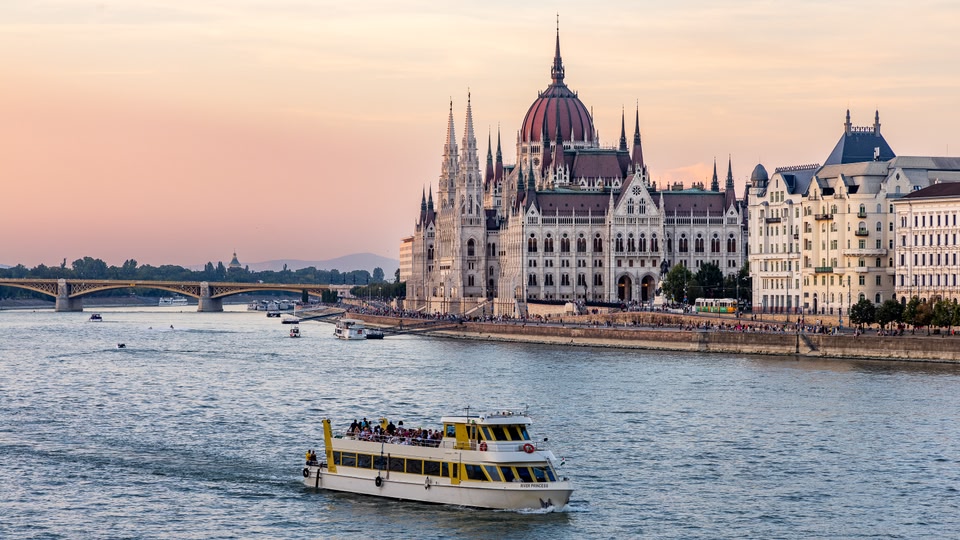
Budapest
Get ready to hit the Old Town streets in Budapest and explore royal castles, thermal baths and some of Europe’s most unique bars.

Debrecen
Debrecen may be steeped in history, but the vibe here is youthful and relaxed. Wander through leafy parks, escape to the Great Hungarian Plain, and soak in healing thermal waters.

Szeged
With pretty plazas and beautiful architecture, Hungary’s ‘City of Sunshine’ delivers heaps of charm. And as the home of Hungary’s beloved paprika, you’ll enjoy dishes as warm and bright as the city’s weather.
Hungary: fast facts
| Language | Hungarian |
|---|---|
| Currency | Hungarian forint (Ft) |
| Time zone | UTC+1 (CET) and UTC+2 (CEST) |

Hungary highlights
Ruin pubs
The ruin pubs of Budapest’s Jewish Quarter transform abandoned industrial buildings into unique nightlife destinations. Enjoy a drink or catch a live performance in courtyards filled with local art. Not a drinker? You can still experience the ruin pub atmosphere. Szimpla Kert, one of Budapest’s oldest and most popular ruin pubs, hosts a farmers market every Sunday.
River cruises
The banks of the Danube are packed with picturesque sights, from the mountains of the Danube Bend to Budapest’s grand buildings. So it’s no surprise that a riverboat cruise is a highlight of many Hungarian trips. Choose a cruise that fits your travel style, from one-hour tours of Budapest to full-day excursions. Or combine sightseeing with dinner and a show.
Thermal baths
Budapest is often called the ‘spa capital of the world’. Visiting the baths is one of the most relaxing things to do in Hungary. Several of them, like the Rudas and Király Baths, date back to the Ottoman Empire. Soak or swim outdoors year-round at Széchenyi Thermal Baths, one of the largest bathing complexes in Europe.
Things to do in Hungary
Top attractions
The grand facade of Esztergom Basilica, Hungary’s largest church, is matched by its ornate interior and grand treasury. Climb 360 steps to the dome for stunning views. The magnificent medieval Citadel of Visegrád towers above the Danube. St Stephen’s Basilica in Budapest houses the country’s most sacred relic, the mummified hand of the country’s first king.
Family friendly
Catch a ride through the Buda Hills on the ‘Gyermekvasút’, a railway staffed almost entirely by children. On Margaret Island in the middle of the Danube, the Palatinus Baths offer thermal baths for adults, plus waterslides and wave pools for younger swimmers. Fire up your fingers for a game of pinball at the Flippermúzeum in Budapest.
Beaches
Hungary may be landlocked, but its lakes and rivers provide plenty of freshwater fun. Grab a spritz and sunbathe by the Danube at Roman Beach in Budapest. In summer, Hungarians flock to the beaches of Lake Balaton, known as the ‘Hungarian Sea’. Balatonlelle boasts long public beaches plus theme parks. Siófok combines paddleboarding and volleyball with nightlife and beachfront concerts.
Nature
From limestone caves to mountainous forests, Hungary’s vast landscapes are worth exploring. Watch cranes migrate through the wetlands of Hortobágy National Park. Hortobágy isn’t just a wildlife sanctuary – it’s also a haven for stargazers. The 1,100-kilometre National Blue Trail wanders from mountain to river through some of the most beautiful scenery in northern Hungary.
Cuisine
Hearty stews and soups spiced with paprika are a cornerstone of Hungarian cuisine. You’ll find traditional dishes like ‘gulyás’ (goulash) or ‘lecsó’ (tomato and pepper stew) across the country. Some of the best restaurants in Hungary are found in Budapest, but visit Tokaj-Hegyalja to sample local wines. Save room for sweet ‘kürtőskalács’ (chimney cake).
Culture and museums
At the Hungarian National Museum, stone-age musical instruments and medieval jewellery trace the country’s history. Memento Park preserves statues from the Communist era. Budapest contains some of the most unique museums in Hungary. Check out the Trash Art Museum’s scrap metal sculptures or the Hungarian Agricultural Museum, housed in a replica Transylvanian castle once made from cardboard.
Find the best time to visit Hungary
Weather in Hungary
March – May: March can be unpredictable and chilly, but late spring is one of the best times to visit Hungary. Warm weather and wildflowers are the perfect backdrop for hikes.
June – August: In July and August, temperatures can sometimes peak above 35°C. Head south to Lake Balaton to beat the heat or cool off with a cruise along the Danube.
September – November: Warm summer weather lasts into September. Harvest season and autumn foliage make for a great time to visit Tokaj-Hegyalja and other winemaking regions.
December – February: Temperatures often fall below freezing in the winter, and snow is common. Warm up with hearty goulash and a walk through a Christmas market.
Events in Hungary
Hollókő Easter Festival (March or April): Folk customs are on display during Easter at Hollókő, a traditional village and UNESCO World Heritage Site. You’ll see dancing, decorated eggs and ‘Easter sprinkling’, a Hungarian tradition where young women are splashed with scented water for luck.
Sziget Festival (August): This popular music festival draws crowds to Óbuda Island in Budapest for six days of shows, plus art, theatre and circus performances.
Bull’s Blood Festival (October): Celebrate the wine harvest in Eger with delicious food and drink. Make sure you try the namesake Bull’s Blood, a local red wine.
Vörösmarty Christmas Market (November to December): Hungary is famous for its Christmas markets, and the one in Vörösmarty Square is Budapest’s oldest and arguably most beautiful.
Know before you go
Local etiquette
If you plan to visit Hungary’s churches, be sure to dress modestly, as most are still active religious sites. Nudity is not permitted outside of the changing rooms at thermal baths. Hungarians may toast ‘egészségedre’ (to your health) when enjoying a glass of wine or a cocktail, but never toast with beer.
Health and safety
A hepatitis A vaccine is recommended when visiting Hungary. Be aware of wildlife like boars and wolves while in the mountains, national parks or hiking along the National Blue Trail. Encounters are somewhat rare, but it’s important to not litter food scraps along the trail or come between mother animals and their young.
LGBTQ+ travel
Budapest offers a modest but lively LGBTQ+ scene, with several well-known bars and clubs in District VII and along the Danube. While the city is relatively welcoming, broader attitudes in Hungary can be conservative. Travellers should stay informed, especially regarding laws that may restrict public LGBTQ+ events or displays.
Budget
With lakeside beach towns and thermal baths for every price point, you can still enjoy top attractions while visiting Hungary on a budget. Find a meal at an inexpensive restaurant for around 4,000 forints (Ft). Try the affordable local wine, or throw back a domestic beer for around Ft1,000.
Getting around Hungary
Public transport
Buses: Volán buses provide transport between towns and cities. To secure your spot on some long-distance interurban routes, you’ll need to buy a supplementary seat reservation in advance.
Trains: Intercity and Railjet trains offer fast and convenient connections between cities with few stops. ‘Személyvonat’ (stopping trains) and ‘gyorsvonat’ (fast trains) offer more local services. Seat reservations are required on Intercity trains but usually not on local lines. Save money with the County24 and Hungary24 passes, which allow unlimited transport within a specific county or around the whole country for 24 hours.
Boats: Ferries can be a great way to combine travel with sightseeing. In the summer, catch a hydrofoil along the Danube from Budapest to destinations like Visegrád. Passenger and car ferries can take you from town to town and across Lake Balaton.
Domestic flights
Hungarian budget airline Wizz Air flies into both Budapest’s Ferenc Liszt Airport and Debrecen International Airport. However, you won’t find any flights between the two airports.
Driving
Driving in Hungary is generally safe and easy, though traffic around Budapest can be heavy. The Budapest Ring Road and most major motorways require an e-vignette for tolls. There is zero tolerance for drinking and driving in Hungary, with the legal limit set at 0.00%.


