El Raval, Barcelona guide

For centuries, El Raval sat just beyond Barcelona’s medieval city walls. Today, it still has a bit of that outsider energy. You can see it in the neighbourhood’s stylish residents, edgy art exhibitions, underground dance clubs and vintage shops. From the best markets and skate parks to some of Spain’s most legendary architecture, here’s our travel guide to El Raval.

El Raval highlights
Medieval moments

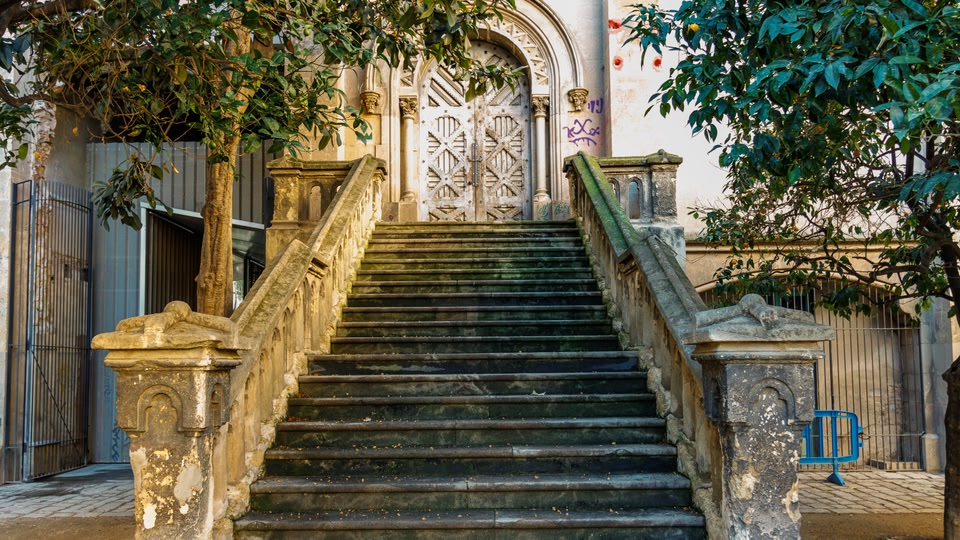
For a neighbourhood that feels so of the moment, El Raval still wears its long history on its sleeve. Check out historic buildings like Sant Pau del Camp, dating back to the late 10th century. The former Hospital de la Santa Creu is where iconic architect Antoni Gaudí took his last breath. Its 600-year-old stone walls now house the Catalan National Library.

International flair

More than half the residents of El Raval were born outside of Spain, making it Barcelona’s most global neighbourhood. You can pick up some ‘baklava’ (sweet pastry) from a Moroccan bakery and pass a group of South Asian kids playing cricket on your way to get Japanese barbecue for dinner — all in the space of a few blocks.

Gaudí architecture

It wouldn’t be a Barcelona neighbourhood if it didn’t have at least one Gaudí building. Palau Güell is the former home of the Güell family and was completed in 1890. Despite its dark and sombre interior, the building’s mushroom-shaped chimneys and colourful stained-glass windows are signature features of Gaudí’s whimsical style.

Things to do in El Raval

Family-friendly things to do

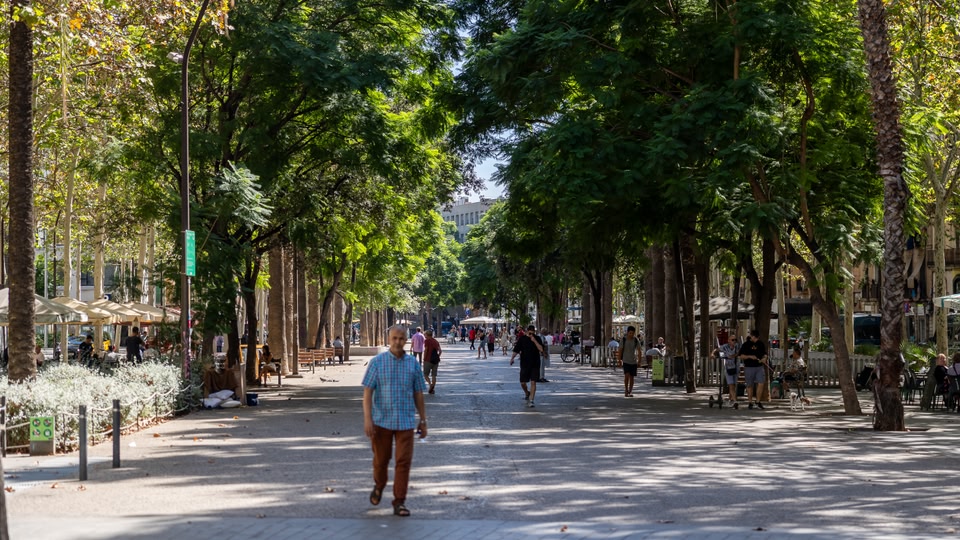
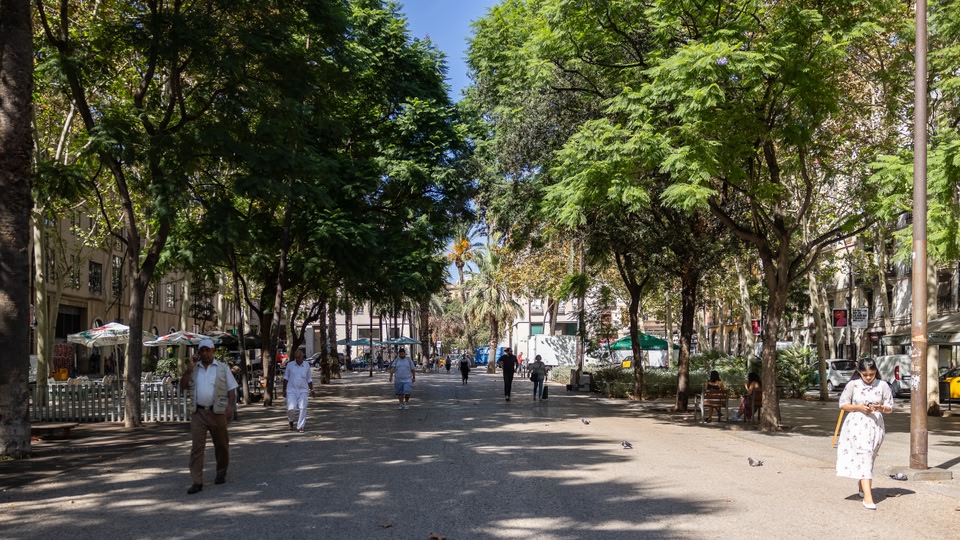
Take the kids to watch skateboarders at the improvised skate park in front of the Museum of Contemporary Art of Barcelona. Play giant chess in the Jardins de Rubió i Lluch or climb on Fernando Botero’s bronze sculpture on the Rambla del Raval. The Maritime Museum, set in a medieval shipyard, has an amazing replica of a 16th-century ship, among other gems.

Museums and culture

The street art alone makes El Raval feel like an open-air gallery, but the neighbourhood is also home to several venues devoted to contemporary art. The Museum of Contemporary Art of Barcelona is a must, as is the nearby Centre for Contemporary Culture of Barcelona. Its rooftop terrace has great views of the city.

Restaurants

El Raval is anchored by two historic markets — Sant Antoni on the west end and the iconic La Boqueria on the Rambla side. Find stall after stall of fresh fruits, seafood, spices, cheese and seasonal produce. Don’t miss the ‘calçots’ (spring onions) when they’re in season. In the blocks between, restaurants range from upscale eats to vegan fare and kebabs.

Nightlife

Barcelona’s former red-light district still has hints of its seedy past. These days, however, the after-dark scene is more about dimly lit cocktail bars, underground discos and flamenco clubs. A handful of bars go back nearly two centuries, including Casa Almirall and Bar Marsella, where Picasso and Hemingway once sipped absinthe.

Shopping

El Raval is a street fashion powerhouse where residents express their personal style through cool, creative outfits. To dress like a local, head to the second-hand shops along Carrer dels Tallers and Carrer de La Riera Baixa. Browse vintage finds, used records, sneaker shops and more.

Events

El Raval is a delight at Christmas, when festive lights are strung across its narrow streets. In July, the Festa Major del Raval celebrates the neighbourhood’s patron saint, the Virgen del Carmen, in typical Catalan style. The event features music, dancing, parades of costumed devils and the famous ‘castellers’ who make human pyramids several storeys tall.

FAQs about El Raval holidays

El Raval used to be the place where the sick were sent in times of plague. These days, it’s famous for its artsy vibe and diverse tapestry of international influences.
El Raval is one of the old city’s more affordable neighbourhoods, with hotel rates running considerably less per night than in the neighbouring Gothic Quarter. Plenty of casual dining options make it an appealing area for budget travellers.
You’ll find accommodation options at various price points throughout El Raval. Rambla del Raval, the main plaza, is centrally located and hosts a few attractive lodging options as well as plenty of restaurants.