Your guide to Tuscany
Top destinations in Tuscany
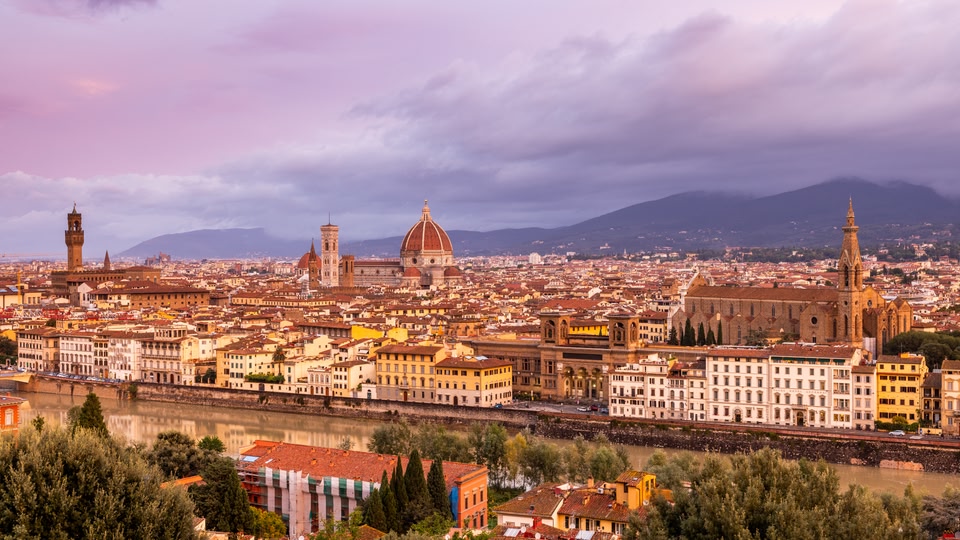
Florence
Walk in the footsteps of Da Vinci and Michelangelo as you explore the world-class museums, palaces and churches of Italy’s Renaissance city.
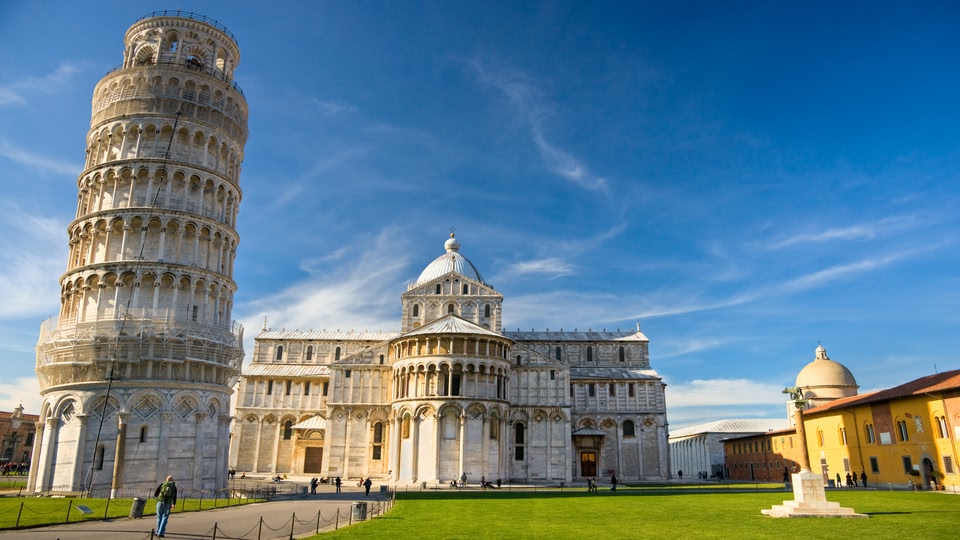
Pisa
World-renowned for its iconic leaning tower, Pisa’s buzzing medieval squares, impressive museums and tempting seafood restaurants make it one of Tuscany’s most exciting cities.
Tuscany: fast facts
| Language | Italian |
|---|---|
| Currency | Euro (€) |
| Time zone | Florence - UTC+1 (CET) and UTC+2 (CEST) |
| High season | May – September |
| Low season | November – March |
Tuscany highlights
Go wine tasting
One of the most essential things to do in Tuscany is to go wine tasting. Visit the Chianti region between Siena and Florence to sample dry reds made from local Sangiovese grapes. In the medieval hill town of Montepulciano, tour family-run vineyards with sweeping countryside views. For a total immersion in local food and wine, book a night at an ‘agriturismo’ (farmstay).
Hit the art museums
Home to the inspiring cities of Florence and Siena, Tuscany is a haven for art lovers. Spend hours exploring the Uffizi Gallery’s world-famous collection of Renaissance paintings. Then marvel at Michelangelo’s iconic ‘David’ sculpture at Galleria dell'Accademia di Firenze. Prefer modern art? Stop by Centro Pecci in Prato and the Centre for Contemporary Culture Strozzina in Florence for cutting-edge works by Italian and international artists.
Explore iconic architecture
The 800-year-old Leaning Tower of Pisa is famous for its 5-degree tilt — yet its Romanesque architecture is even more impressive up close. In Florence, don’t miss the iconic Cathedral of Santa Maria del Fiore with its ornate red dome built by architect Filippo Brunelleschi. In Lucca, wander along the Renaissance city walls, then admire the grandiose Cathedral of San Martino.

Things to do in Tuscany
Top attractions
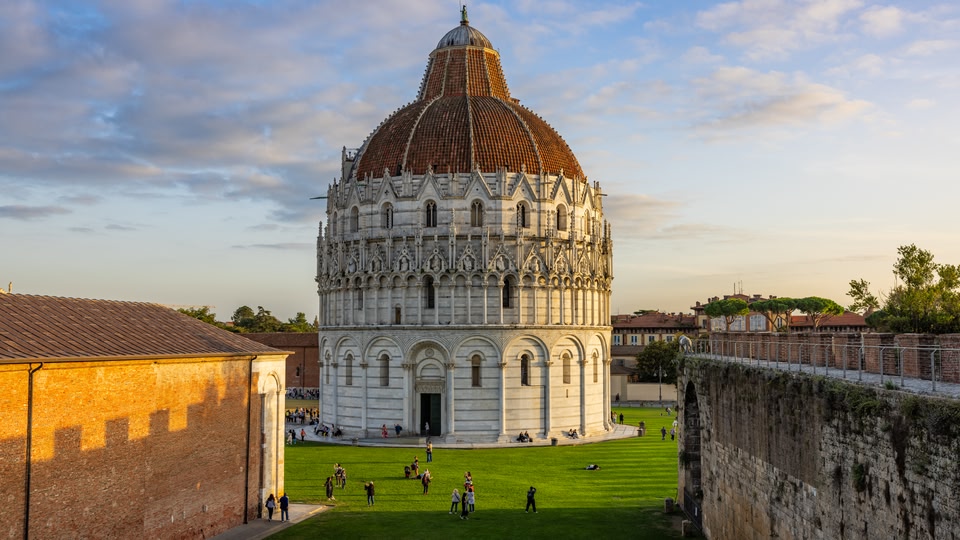
Explore beyond Pisa’s famous Leaning Tower to discover the surrounding Piazza dei Miracoli (Field of Miracles) cathedral complex. In Florence, the Cathedral of Santa Maria del Fiore rewards early risers with fewer crowds and rooftop views from its famous dome. For more stand-out architecture, don’t miss Siena’s shell-shaped Piazza del Campo, home to the Palio horse race.
Beaches
Some of Tuscany’s most tranquil beaches are in Monti dell'Uccellina, a pristine nature reserve where pine forests lead to dune-flanked shorelines. You’ll find livelier beaches at the seaside resort of Marina di Massa, famed for its golden sands and Art Deco buildings. The island of Elba features rugged black-pebble coves and popular sandy stretches like Cavoli and Biodola.
Nature
Tuscany brims with natural beauty, from waterfalls and thermal springs to rocky caves. The Apuan Alps just beg to be hiked with marble peaks, alpine lakes and panoramic trails. If a scenic drive is more your speed, cruise the cypress-lined roads and green hills of Val d'Orcia. And for total relaxation, sink into the geothermal pools at Cascate del Mulino.
Cuisine
The best Tuscan dishes stem from ‘la cucina povera’, traditional cooking made from simple, cheap ingredients. Try ‘panzanella’ (bread salad with tomatoes and basil) or ‘ribollita’ (soup with cannellini beans, black cabbage and bread). The restaurants in Tuscany range from rustic trattorias to fine dining, and good local wine is always on the menu.
Culture and museums
The museums in Tuscany highlight the region’s rich architecture, archaeology and history. At Santa Maria della Scala in Siena, see Etruscan and Roman artefacts dating back 1,000 years. Or dive into prehistoric archaeology at The National Etruscan Museum in Chiusi. And the CARMI is a must-visit for fans of Michelangelo, with three floors dedicated to the life and works of this Renaissance icon.
Nightlife
The nightlife in Tuscany comes alive in Florence’s Oltrarno district, where historic cafes and intimate bars keep the good times going after dark. Pisa’s student population fuels the lively scene around Piazza delle Vettovaglie, while the coastal town of Viareggio offers beachside clubs and summer festivals made for open-air dancing.
Find the best time to visit Tuscany
Weather in Tuscany through the year
March – May: Temperatures are mild, though you’ll want to pack layers for chillier mornings and evenings. This is the perfect season for hiking and vineyard tours before the summer crowds arrive.
June – August: Expect sunny weather, often hitting highs around 32°C. Coastal breezes offer relief, but stick to early mornings or late afternoons for outdoor activities to avoid the hottest times of day.
September – November: Autumn cools down, with harvest festivals taking centre stage in towns like Marradi and Arcidosso. It’s a great time for wine tours and exploring the countryside without the summer heat.
December – February: Winters are cool and often rainy, especially in the north. It’s the best time to visit Tuscany for fewer crowds and cheaper accommodation.
Events in Tuscany
Carnevale di Viareggio (January to March): Viareggio’s Carnival pulls out all the stops with giant papier-mache floats, masquerade balls and parades along the city’s seafront promenade.
Maggio Musicale Fiorentino (April to June or July): Florence’s prestigious arts festival offers a packed schedule of opera, classical concerts and avant-garde theatre. Performances take place in iconic venues around the city.
Calcio Storico (June): A gritty blend of rugby, football and street brawling, this event sees teams from Florence’s four districts battle it out in historic costume in the city’s Piazza Santa Croce.
Palio di Siena (July and August): Siena’s neighbourhoods compete in a thrilling, bareback sprint around Piazza del Campo. Expect huge crowds, medieval pageantry and fiercely loyal fans at this biannual event.
Know before you go
Budget
It’s possible to visit Tuscany on a budget. You can expect to pay under 20 euros (€) for a simple meal in an inexpensive restaurant, while a local beer costs around €5. A short taxi ride will set you back less than €10, so go ahead and have that second glass of wine.
Health and safety
Tuscany poses few major health risks, but it’s wise to take certain precautions. In summer, temperatures can push 40°C, so carry plenty of water, wear sun protection and avoid strenuous activity during the afternoon. Tick bites can transmit Lyme disease in rural areas, so use repellent and check your body after hikes, especially in spring and summer.
Free things to do
Admire the replica of Michelangelo’s David in Florence’s Piazza della Signoria. Or time your visit to Florence with the first Sunday of the month, when state-run museums like the Uffizi Gallery and Accademia Gallery open their doors for free. In Pisa, skip the ticket and enjoy classic views of the Leaning Tower from the surrounding Piazza dei Miracoli.
Family friendly
For families, there’s no shortage of things to do in Tuscany, from exploring the interactive exhibits at Museo Galileo in Florence to splashing around at the Acqua Village water parks in Cecina and Follonica. For a fun day outdoors, the Pinocchio Park in Collodi brings the classic tale to life with themed trails and playgrounds.

Getting around Tuscany
Public transport
Buses: Tuscany’s regional buses are a reliable way to access hilltop towns and rural villages that trains don’t cover. Autolinee Toscane runs most local services, while FlixBus connects larger cities like Florence, Pisa and Siena.
Trains: Trenitalia’s high-speed trains offer direct routes between major hubs, including Florence, Pisa and Arezzo. Regional routes are also available for exploring towns like Lucca, Arezzo and Pistoia. For a scenic trip, take the Treno Natura steam train through the Val d'Orcia, which is especially beautiful in spring and autumn.
Boats: Ferries run from Tuscan ports like Piombino and Livorno to islands including Elba, Giglio and Capraia. Services fill up quickly in summer, so it’s worth booking ahead if you’re island hopping.
Domestic flights
Domestic flights from Pisa and Florence airports mainly connect to Sardinia, Sicily and major Italian cities like Rome and Milan. Trains and buses are usually more practical, offering better access to Tuscan cities and towns.
Driving and car hire
The Autostrada A1 connects major cities like Florence and Arezzo, but rural roads can be narrow, winding and poorly lit. In historic centres, beware of ZTL areas (limited traffic zones) — entering one without a permit can result in automatic fines.


