Holidays to Madagascar
Top destinations in Madagascar

Antananarivo
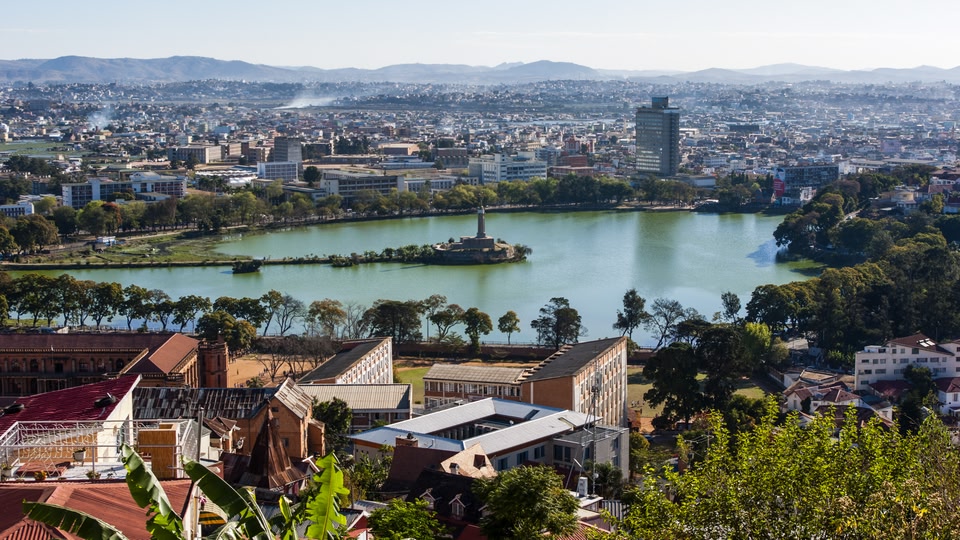
Wander cobblestone streets to a hilltop palace or explore a vibrant dining scene blending global flavours. In Madagascar’s capital, unexpected treasures await around every corner.
Madagascar: fast facts
| Language | Malagasy, French |
|---|---|
| Currency | Malagasy ariary (Ar) |
| Time zone | UTC+3 (EAT) |
Madagascar holiday highlights
Spot unique wildlife
If you’re a wildlife enthusiast, one of the best things to do in Madagascar is visit the country’s nature reserves to see fossas, aye-ayes, indris and ring-tailed lemurs. Andasibe-Mantadia National Park and Ranomafana National Park are well-known spots for lemur and indri sightings. And the island of Nosy Ve is beloved for its coral reefs and red-tailed tropicbirds.
Take a city break
While Madagascar’s main draws may be its wildlife and beaches, much of the country’s culture is best experienced in its towns and cities. See the capital Antananarivo’s hilltop Andafiavaratra Palace and its jacaranda tree–lined lake. Relax in Antsirabe, a spa city with thermal springs. Looking for local souvenirs? Ambositra’s Zafimaniry people are known for their intricate wood carvings.
Hit the coast
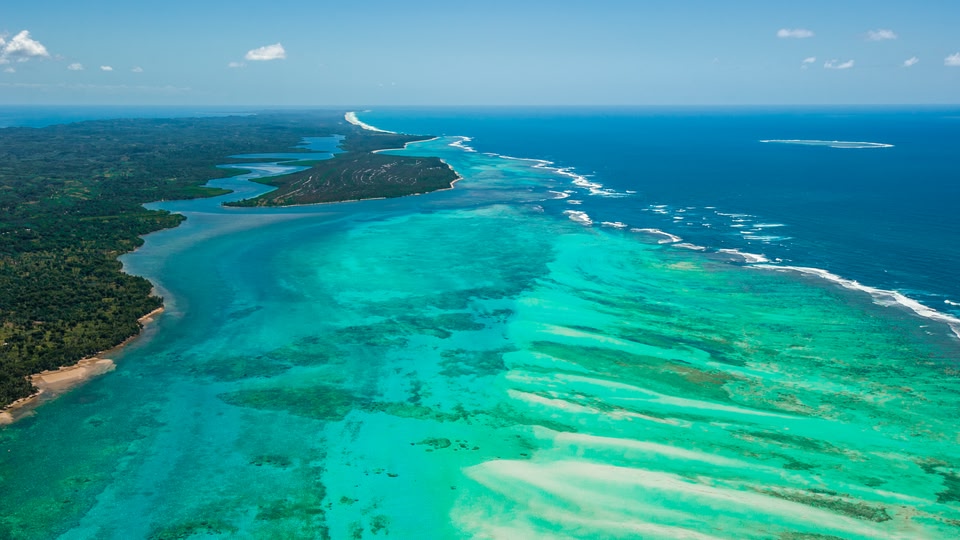
With 4,800 kilometres of coastline, Madagascar is a haven for water sports. Anakao attracts surfers with its gnarly waves. And kitesurfing and windsurfing are popular pastimes in northern Madagascar, especially around Antsiranana. There’s just as much fun beneath the waves too. Experience some of the country’s best diving in Toliara and around the island of Nosy Be.
Things to do in Madagascar
Top attractions
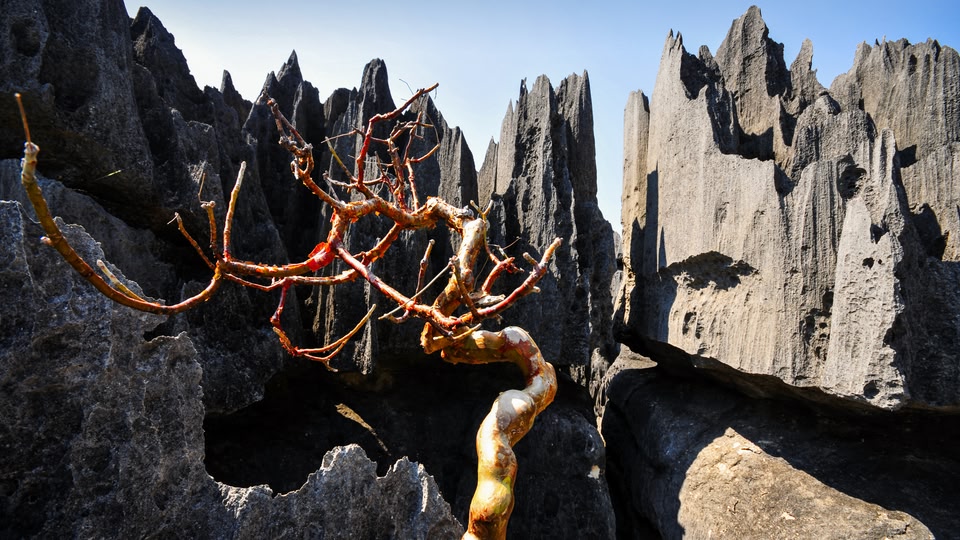
You can’t leave Madagascar without snapping a pic of the Avenue of the Baobabs. This iconic road near Morondava is known for its otherworldly trees — go at sunrise or sunset for the best photos. Nearby, explore hiking trails through rocky pinnacles at Tsingy de Bemaraha National Park. Or head south to Isalo National Park, where rugged sandstone landscapes meet gushing waterfalls.
Beaches
Surrounded by the Indian Ocean, Madagascar has no shortage of powdery white sands. One of the most popular beach destinations is Nosy Be, with its luxury resorts, excellent snorkelling and colourful ylang-ylang plantations. Or try quieter Nosy Komba, a volcanic island that’s home to rare black lemurs. For sun, sand and history, stop by Nosy Boraha, famed for its pirate cemetery.
Nature
With its dense rainforests, sandy beaches, desert shrublands and rich wildlife, Madagascar’s nature is one of its biggest draws. Visit Morondava’s famous Avenue of the Baobabs, and don’t miss the Tsingy de Bemaraha National Park’s otherworldly limestone forests. For waterfalls, rainforests and some of the best lemur spotting, explore the hiking trails around Montagne d’Ambre National Park.
Culture and museums
Many of the major museums in Madagascar are located in the capital city of Antananarivo. Like the Musée de la Photographie de Madagascar, which showcases the country’s history through archival photography. You’ll find plenty more culture outside of the gallery walls. Visit Ambatolampy for its traditional aluminium foundries and Ambalavao, where the ancient art of paper-making is still practised.
Cuisine
Malagasy food blends African, Arabian, Indian and European influences. Antananarivo and Nosy Be are hubs for fine-dining restaurants in Madagascar. Along the coast, Nosy Boraha and Morondava are known for their fresh seafood. One speciality you’ll only get in Madagascar is zebu steak, a type of beef often served with a green peppercorn sauce.
Family friendly
With its strong emphasis on conservation and ethical tourism, Andasibe-Mantadia National Park offers a chance to see lemurs in the wild. If you’re visiting between July and September, book a whale-watching tour from Nosy Boraha to spot migrating humpbacks. For diving and snorkelling, the protected marine reserve at Nosy Tanikely is hard to beat.
Find the best time to visit Madagascar
Weather in Madagascar
May – October: Madagascar’s winter is the best time to visit, with dry weather, lots of sunshine and highs of around 30°C. July and August can get busy with summer holidaymakers from the northern hemisphere, so plan ahead. May and October are sweet spots for thinner crowds and optimal wildlife viewing.
November – April: The hot, wet season brings heavy rain and the threat of cyclones. From December to February, downpours sometimes make roads impassable, and some national parks may close. But November and April see plenty of sunny days, and showers are usually short-lived. Here to do some diving? December has the calmest waters and best visibility.
Events in Madagascar
Donia Festival (May): The island of Nosy Be springs to life during Donia, a colourful celebration of Malagasy culture. Expect dancing, live music, street food and craft workshops, all set to a backdrop of traditional beats.
Independence Day (June): Madagascar celebrates its independence from France on 26 June. In the capital, festivities kick off with a spectacular fireworks display the night before. On the day, there’s a patriotic parade with horses, flags, military vehicles and speeches from political leaders.
Madajazzcar (October): This popular jazz festival in Antananarivo brings together musicians from all over the world for roughly two weeks of performances. Enjoy a diverse range of genres, from modern jazz to folk and gospel.
Know before you go
Local etiquette
In Malagasy culture, showing respect to elders and authority figures is important. When dining with locals, never pick up your cutlery to eat until an elder does first. Taboos among local Indigenous groups are known as ‘fady’, and they differ from village to village — visit with a local guide to avoid any cultural missteps.
Health and safety
Most travel advisories recommend getting hepatitis A, tetanus and typhoid vaccinations before visiting Madagascar. It’s also a good idea to take precautions against mosquito-borne illnesses like malaria and dengue. Use repellent, wear long sleeves and sleep under mosquito nets. Tap water isn’t safe to drink, so stick to bottled or treated water.
LGBTQ+ travel
There are no legal restrictions on same-sex relationships in Madagascar, but you may come across conservative attitudes, especially in rural areas. It’s worth steering clear of public displays of affection, no matter your orientation. There aren’t many dedicated LGBTQ+ venues, but you’ll find a few queer-friendly hangouts in the capital.
Budget
While flights to Madagascar can be expensive, it’s a relatively inexpensive country to visit once you’ve arrived. To help budget your cheap holiday to Madagascar, expect to pay around 12,000 Malagasy ariary (Ar) for a basic meal and as little as Ar5,000 for a coffee or local beer.
Getting around Madagascar
Public transportation
Buses: Madagascar doesn’t have a public bus network, but ‘taxis brousse’ (private minibuses) run between the main towns. Services vary in quality and reliability, and buses can get crowded.
Trains: If you’re not in a rush, Madagascar’s slow trains are a scenic and cheap way to travel. A highlight is the Fianarantsoa to Manakara route, which winds through jungles and rice paddies before ending on the east coast. Book tickets through Madarail.
Boats: Madagascar’s passenger ferry network is limited to a few short routes, including the Soanierana-Ivongo to Île Sainte Marie service on the east coast. Private operators offer adventure cruises along the Tsiribihina, Manambolo and Mangoky rivers, while Nosy Be and Nosy Komba are jumping-off points for island tours.
Domestic flights
Flying is the best way to cover longer distances. Madagascar Airlines offers domestic flights between 11 airports, including Antananarivo, Morondava and Nosy Be.
Driving
Keen to explore Madagascar on four wheels? The safest bet is to hire a car with a driver-guide, as many roads are unpaved and tricky to navigate. If you wish to drive yourself, stick to major asphalt roads like the RN7 and hire a 4x4 from a reliable operator.


